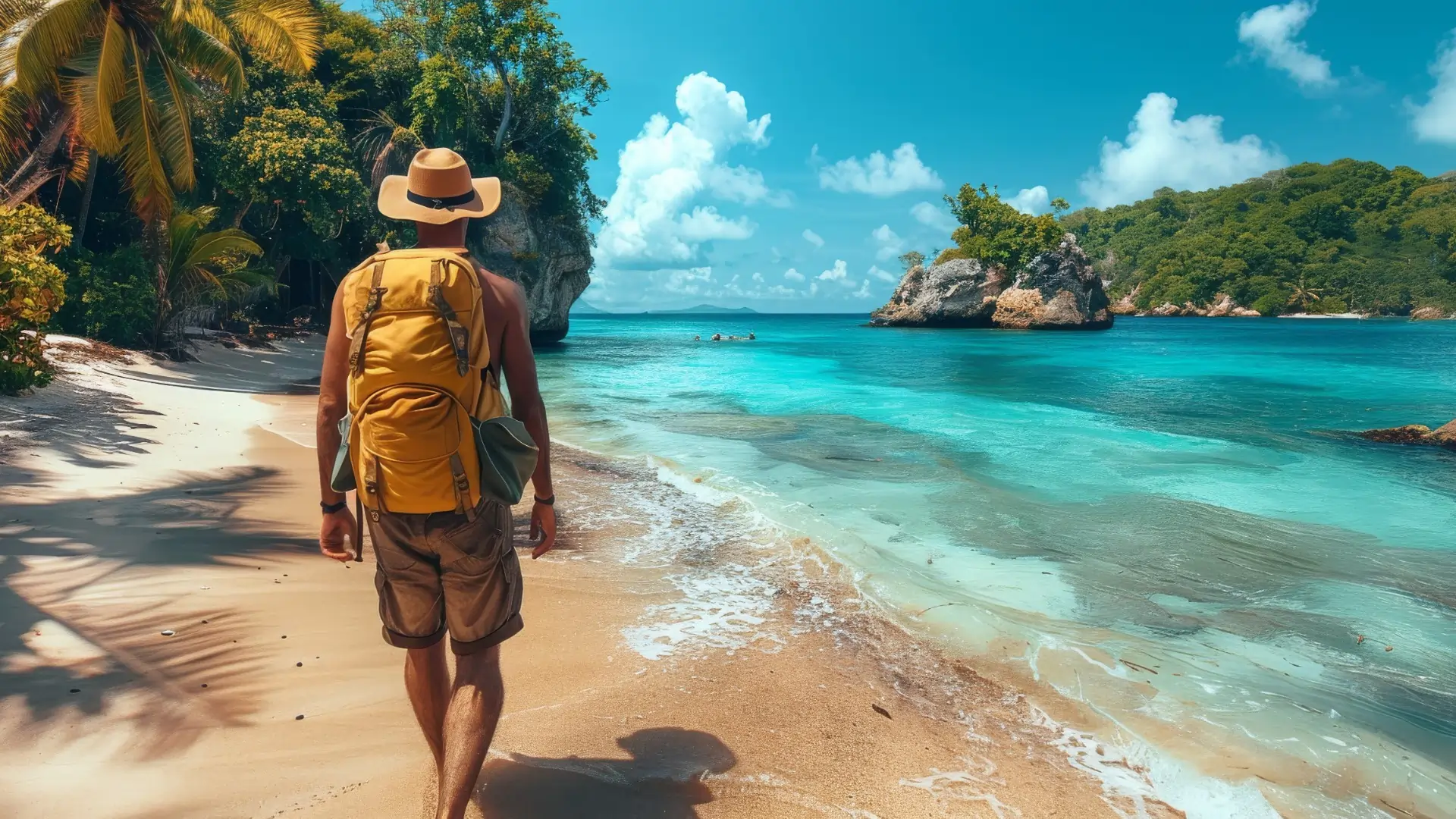

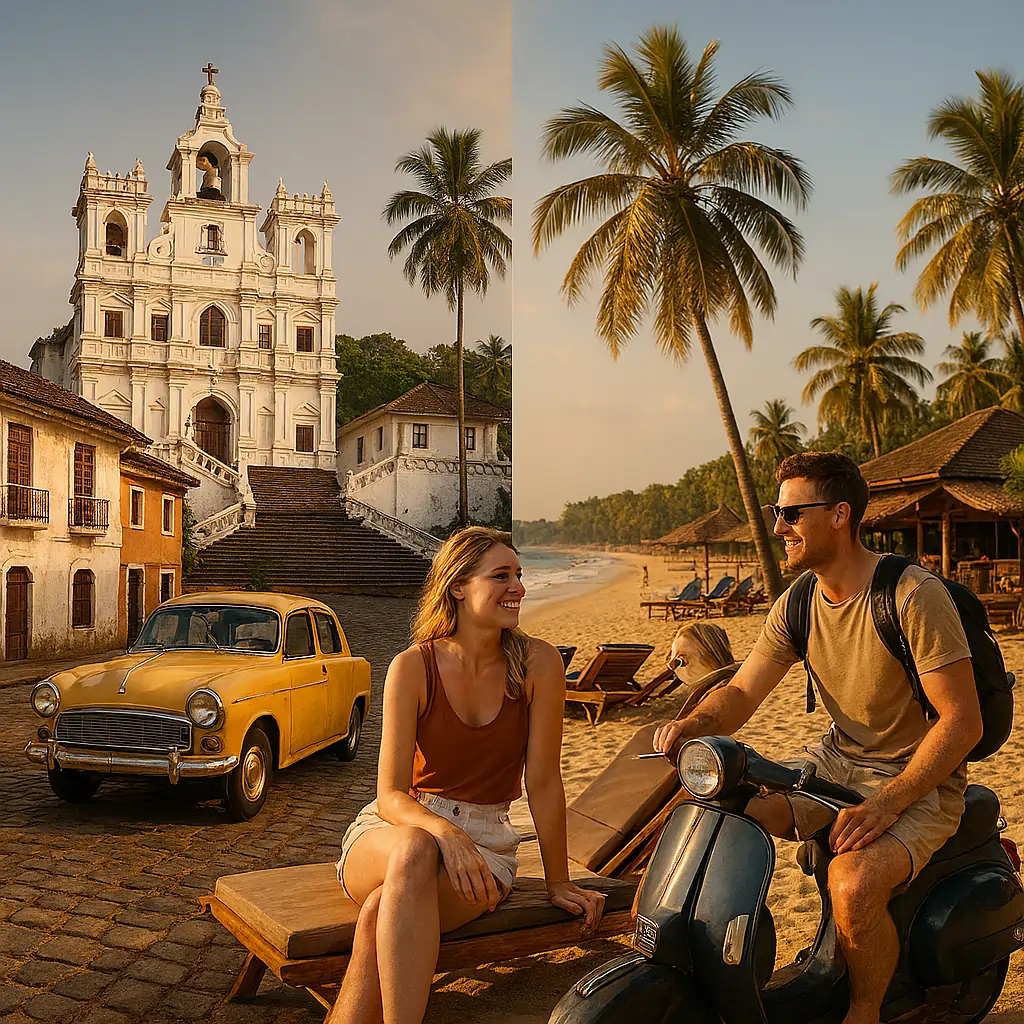
Goa, India’s smallest state, is a vibrant mosaic of socioeconomic, multilingual, and multicultural diversity. Its unique character has been woven over centuries, shaped by invasions and influences from various dynasties, sultanates, and notably, 450 years of Portuguese rule. The Portuguese influence on Goa is deeply visible in its churches, forts, and cuisine. Liberated by the Indian army in 1961 and granted full statehood in 1987, Goa’s journey represents the evolution of Goa tourism, transforming from a colonial outpost to a bustling tourist hub—a story of transformation, allure, and challenges that defines Goa tourism culture and history.
A Historical Canvas
Goa’s distinct identity owes much to its layered history. The Portuguese influence, spanning over four centuries, left an indelible mark on its architecture, cuisine, and cultural ethos. After liberation, limited infrastructure and connectivity kept Goa relatively isolated, a distant paradise known to few Indians. Yet, in the 1970s, foreign travelers—often hippies—discovered its pristine beaches, rustic villages, and laid-back susegad lifestyle Goa is now famous for. They arrived by any means possible, drawn to Goa’s promise of freedom and tranquility. This period marked a new chapter in Goa culture and traditions, blending Eastern spirituality with Western openness.
The Rise of Tourism
The 1980s marked a turning point. Starred hotels began dotting the coastline, offering modern comforts in contrast to the traditional beach shacks run by local families. These shacks, once simple, have evolved into vibrant bars and restaurants, serving diverse tourists with music, food, and ambiance reflecting their varied backgrounds. During my first visit to Calangute Beach in the early 1980s, I was struck by the sight of foreign travellers and hippies revelling in the carefree atmosphere, with only a handful of Indian tourists, like myself, from out of state.
By the late 1980s and early 1990s, Indian tourism began to surge. Initially driven by affluent travellers, it soon gave way to mass tourism. Low-budget visitors arrived in droves, seeking excitement and freedom. Their enthusiasm, while vibrant, sometimes clashed with local customs, overwhelming beaches with activities that disrupted Goa’s serene charm. As Indian tourist numbers grew, foreigners sought quieter havens, retreating to northern beaches like Morjim and Ashwem for privacy, away from the increasingly intrusive crowds. This shift illustrates the evolution of Goa tourism and the state’s growing challenge of balancing growth with sustainable tourism in Goa.
Shifting Demographics
Over the past decade, Goa’s tourist demographics 2025 show remarkable diversity. European visitors now gravitate toward the tranquil beaches of South Goa, while Calangute, Baga, and Anjuna have become magnets for budget-conscious Indian travellers. Russian tourists, meanwhile, have carved out their own enclave around Morjim and Ashwem, creating a distinct cultural pocket. This evolving demographic reflects Goa’s ability to cater to diverse tastes, yet it also underscores the pressures of mass tourism. As Goa modernizes, maintaining harmony between growth and heritage tourism in Goa has become a vital goal for policymakers and locals alike.
A Changing Soul
Goa’s essence, once defined by its susegad lifestyle, a relaxed and unhurried way of life, is at a crossroads. The rise of budget tourism, amplified by social media’s exaggerated tales, has transformed places like Calangute and Baga. Budget hotels, fast-food stalls, and modernized beach shacks now cater to low-cost visitors, altering the state’s rustic charm. Without careful stewardship and focus on sustainable tourism in Goa, this transformation risks spreading further, potentially eroding the very soul that makes Goa unique.
A Call to Preserve
Goa’s story is one of flux—shaped by those who leave, those who arrive, and those, like me, who are awakened by its shores. Its beaches, Goa culture and traditions, and centuries-old landmarks continue to captivate, but they also demand care. As tourism grows, so does the responsibility to preserve Goa tourism culture and history. Balancing accessibility with sustainable tourism in Goa will ensure that this paradise retains its magic for generations to come and continues to shine as a model for heritage tourism in Goa.