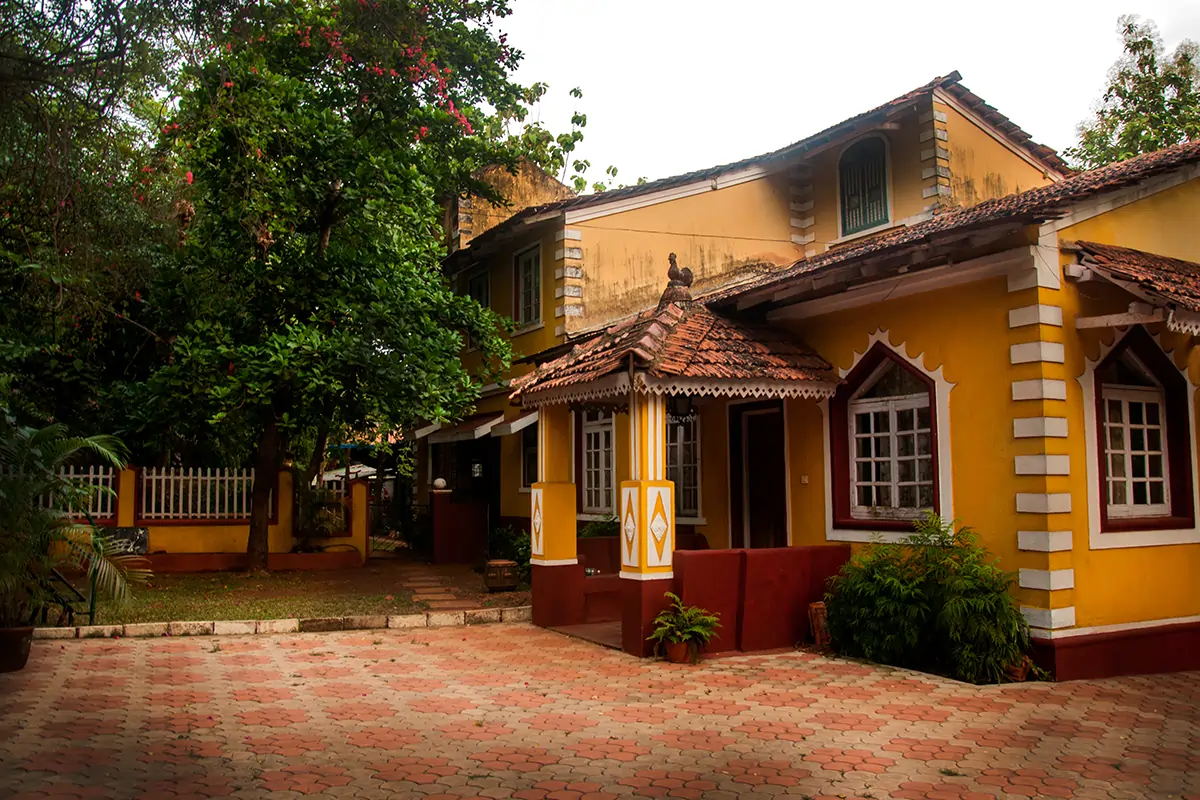

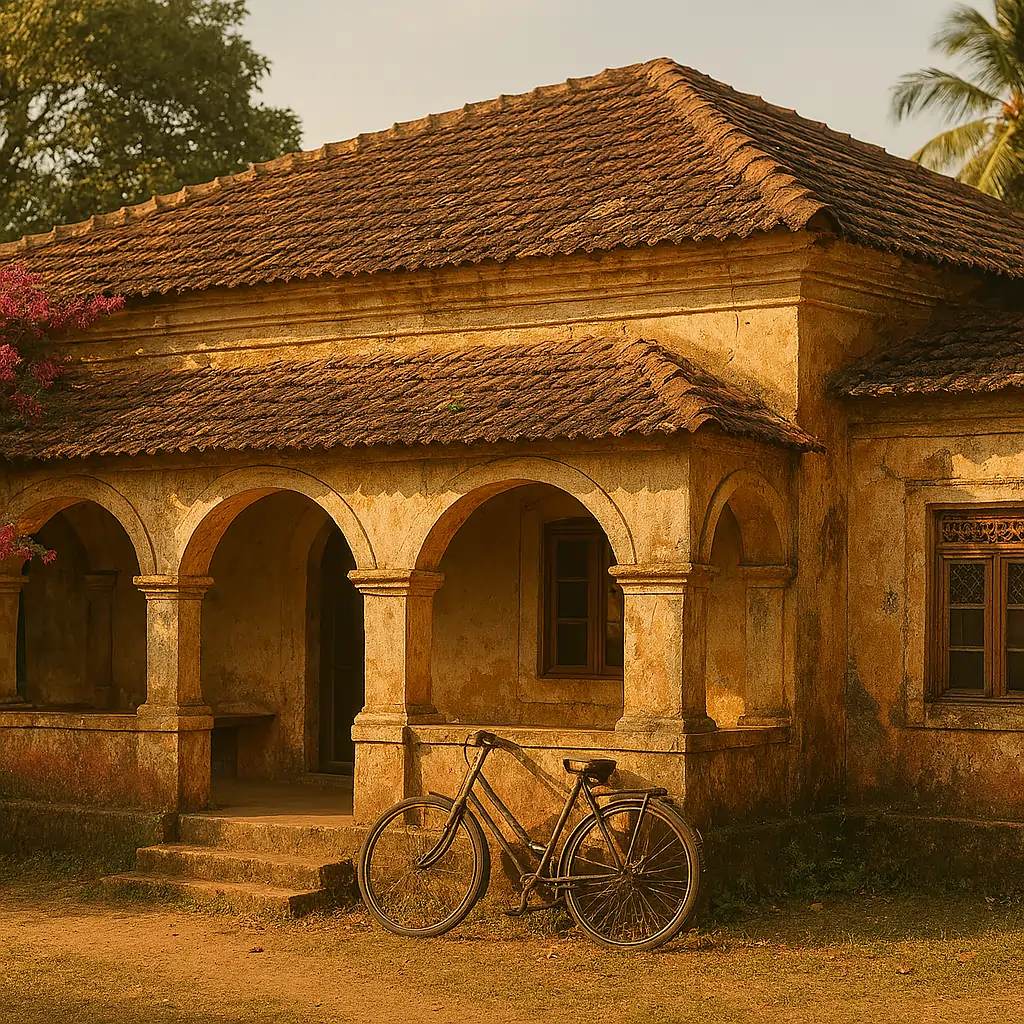
Goa’s majestic ancestral homes, with their Portuguese-inspired architecture and sprawling courtyards, are iconic symbols of the state’s cultural heritage. Yet, many of these properties, owned by Goans living outside the state or abroad, are falling into disrepair, highlighting why Goan ancestral houses are neglected. Siblings and their children, often scattered across the globe, struggle to maintain these homes, leading to neglect and decay. Several factors contribute to this growing issue.
Dispersed Families and Lack of Coordination
Many Goans have migrated to cities like Mumbai, Bangalore, or international destinations such as the Gulf, Europe, or North America for better career opportunities. This diaspora leaves ancestral homes in the care of distant relatives, caretakers, or, in some cases, no one at all. Siblings and their children, who jointly inherit these properties, often live in different locations, making it challenging to coordinate maintenance efforts. Disagreements over responsibilities, financial contributions, or future plans for the property—common in ancestral property issues in Goa—can stall decision-making, leaving the home vulnerable to neglect. These disputes sometimes escalate into inheritance disputes in Goa properties, further complicating preservation efforts.
Financial Burden
Maintaining a large ancestral property is costly. Repairs for aging structures, such as leaking roofs, cracked walls, or pest infestations, require significant investment. The cost of maintaining ancestral houses in Goa often discourages families living far away, especially if the property is rarely used. Siblings and their children may also have their own financial commitments elsewhere, making it difficult to allocate funds for upkeep. Over time, small issues escalate, accelerating the property’s decay and causing old Goan houses [to fall] into ruin.
Emotional Disconnect
For the younger generation, particularly children of Goans living outside the state, the emotional connection to the ancestral home may weaken. Unlike their parents, who may have fond memories of spending summers in Goa, these children often grow up in urban or foreign environments, viewing the property as a distant relic rather than a cherished legacy. This emotional disconnect from ancestral property reduces their motivation to invest time, effort, or money into its preservation, making it harder to implement strategies for maintaining heritage homes in Goa.
Legal and Administrative Challenges
Goa’s property laws and inheritance practices can complicate matters. Ancestral homes are often co-owned by multiple heirs, leading to disputes over ownership or usage rights. Legal processes to resolve these issues can be lengthy and expensive, discouraging families from taking action. Additionally, navigating local regulations, hiring reliable caretakers, or managing properties remotely adds to the administrative burden. For many, the challenges of Goan architecture and heritage maintenance seem insurmountable.
Rise of Alternative Investments
Many Goan families see greater value in selling or repurposing ancestral properties rather than maintaining them. The booming real estate market in Goa offers lucrative opportunities for selling ancestral land in Goa or converting homes into commercial ventures like guesthouses. However, disagreements among siblings or their children about selling versus preserving can result in inaction, leaving the property to deteriorate further.
Conclusion
The neglect and decay of Goa’s ancestral homes reflect a complex interplay of migration, financial constraints, emotional detachment, and legal hurdles. To preserve these architectural treasures, families must find ways to bridge geographical and generational divides, perhaps through collective agreements, trusts, or government-supported heritage conservation programs. Without concerted efforts, old Goan houses falling into ruin risk fading into oblivion, taking with them a vital piece of the state’s cultural identity.