

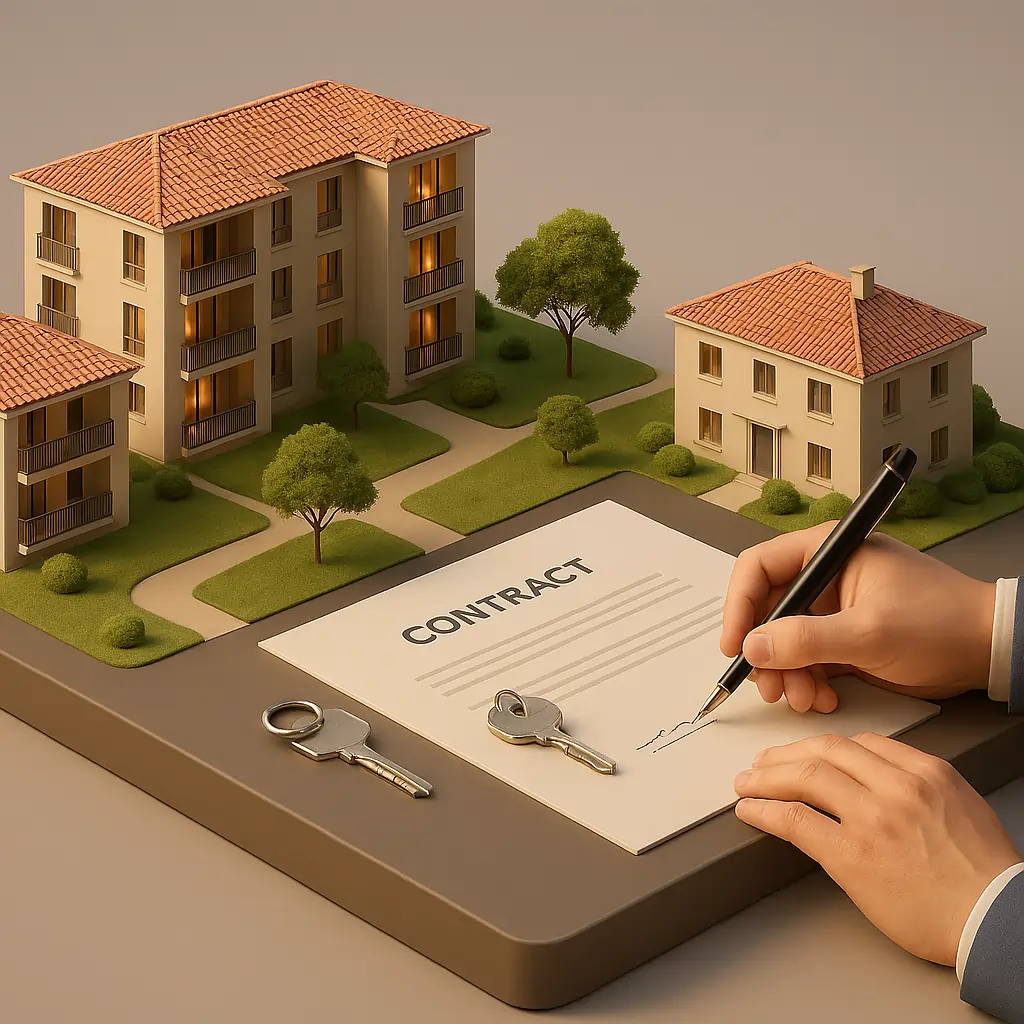
The conveyance of land from a builder to a cooperative housing society is a critical process for homeowners in such societies, as it directly impacts their legal rights, ownership, and control over the property. Here’s why it matters:
- Legal Ownership of Land:
Conveyance transfers the legal title of the land and building from the builder to the cooperative housing society. Without conveyance, the builder retains ownership of the land, meaning homeowners only have rights to their individual flats but no ownership or control over the common areas, land, or building structure. - Control Over Property:
Once conveyance is completed, the society gains full control over the property, including common areas like gardens, parking spaces, staircases, and amenities. This allows the society to make decisions about maintenance, repairs, and improvements without needing the builder’s approval. - Protection Against Builder Misuse:
Without conveyance, the builder may exploit the land or common areas for additional construction, commercial use, or other purposes that may not align with the homeowners’ interests. Conveyance ensures the society has the authority to prevent such actions. - Financial Implications:
- Property Taxes and Charges: After conveyance, the society can directly deal with authorities for property taxes, water bills, and other utilities, avoiding dependency on the builder, who may delay or mismanage payments.
- Resale Value: Flats in a society with proper conveyance typically have higher resale value, as buyers prefer properties where the society has clear ownership of the land.
- Legal Security:
Conveyance provides legal security to homeowners by ensuring that the society, and not the builder, is the rightful owner of the property. This reduces the risk of disputes or claims from third parties or the builder in the future. - Empowerment for Redevelopment:
In the future, if the society decides to redevelop the property (e.g., for taller buildings or modern amenities), conveyance is essential. Without it, the builder retains the right to make redevelopment decisions, potentially sidelining homeowners’ interests. - Compliance with Regulations:
In many jurisdictions, such as under the Maharashtra Ownership Flats Act (MOFA) in India, builders are legally required to execute conveyance within a specified period (typically 4 months) after the society is formed. Failure to do so can lead to legal disputes, and homeowners may need to approach courts to enforce their rights. - Management of Common Amenities:
post-conveyance, the society can independently manage and maintain common amenities like lifts, security systems, and recreational facilities, ensuring better upkeep and transparency in the use of maintenance funds.
Consequences of Non-Conveyance:
- Builder Control: The builder may continue to control key decisions, such as leasing out common areas or altering the property layout.
- Legal Risks: Homeowners may face disputes over land ownership if the builder defaults on loans or faces legal claims from third parties.
- Delayed Development: Lack of conveyance can hinder future redevelopment or expansion plans, as the society lacks legal authority.
- Financial Burden: Homeowners may face additional costs or delays in resolving issues related to utilities, taxes, or maintenance due to the builder’s involvement.
Steps Homeowners Can Take:
- Verify Conveyance Status: Check if the builder has executed the conveyance deed when purchasing a flat or joining a society.
- Legal Action: If the builder delays or refuses conveyance, the society can approach regulatory authorities or courts to enforce it (e.g., under MOFA in Maharashtra).
- Form a Strong Society: Ensure the cooperative housing society is registered and active, as conveyance can only be executed in favor of a legally formed society.
In summary, conveyance is essential for homeowners in a cooperative housing society as it secures their collective ownership, ensures control over the property, and protects their long-term financial and legal interests. Without it, homeowners remain dependent on the builder, which can lead to numerous complications.