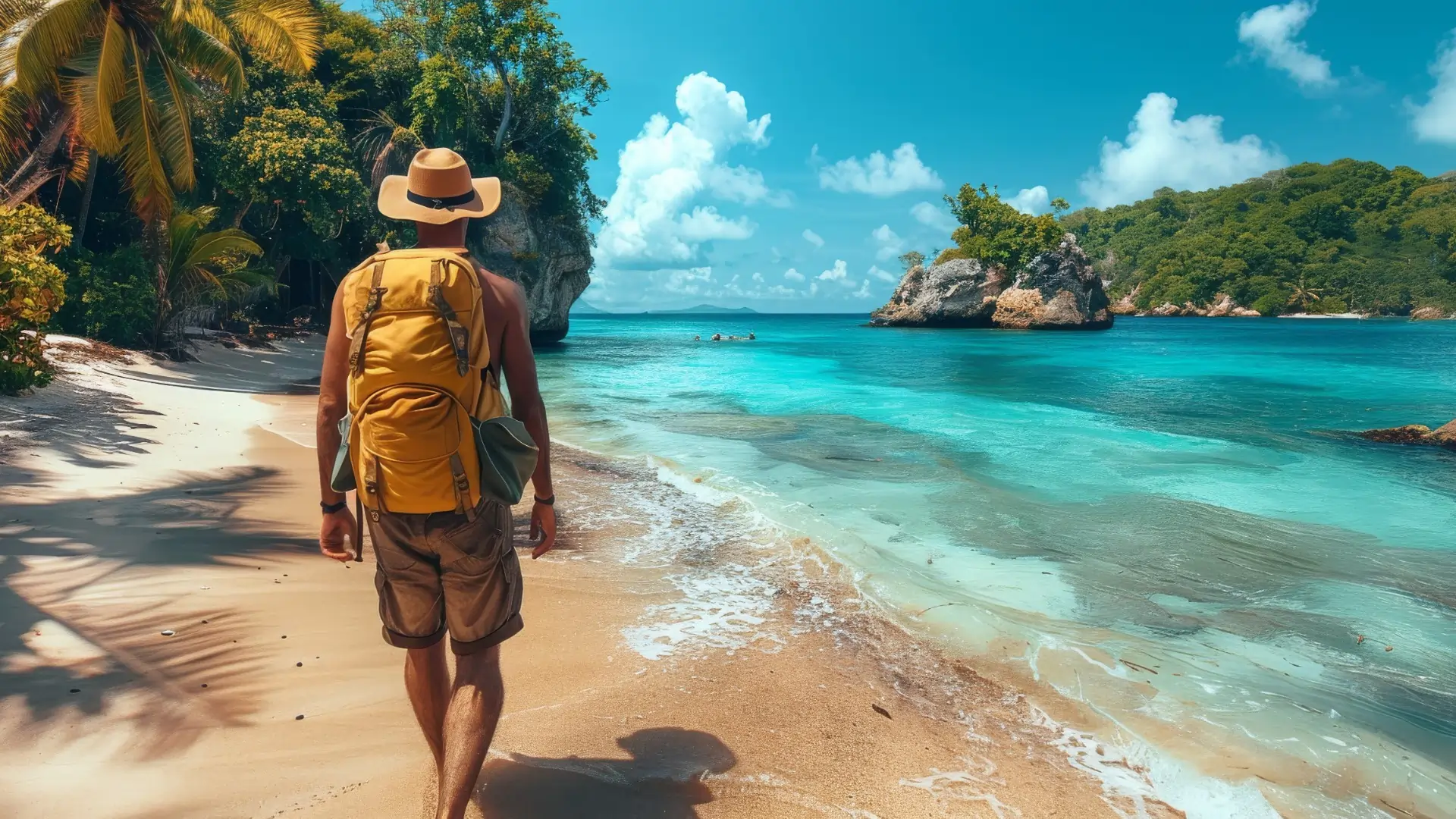

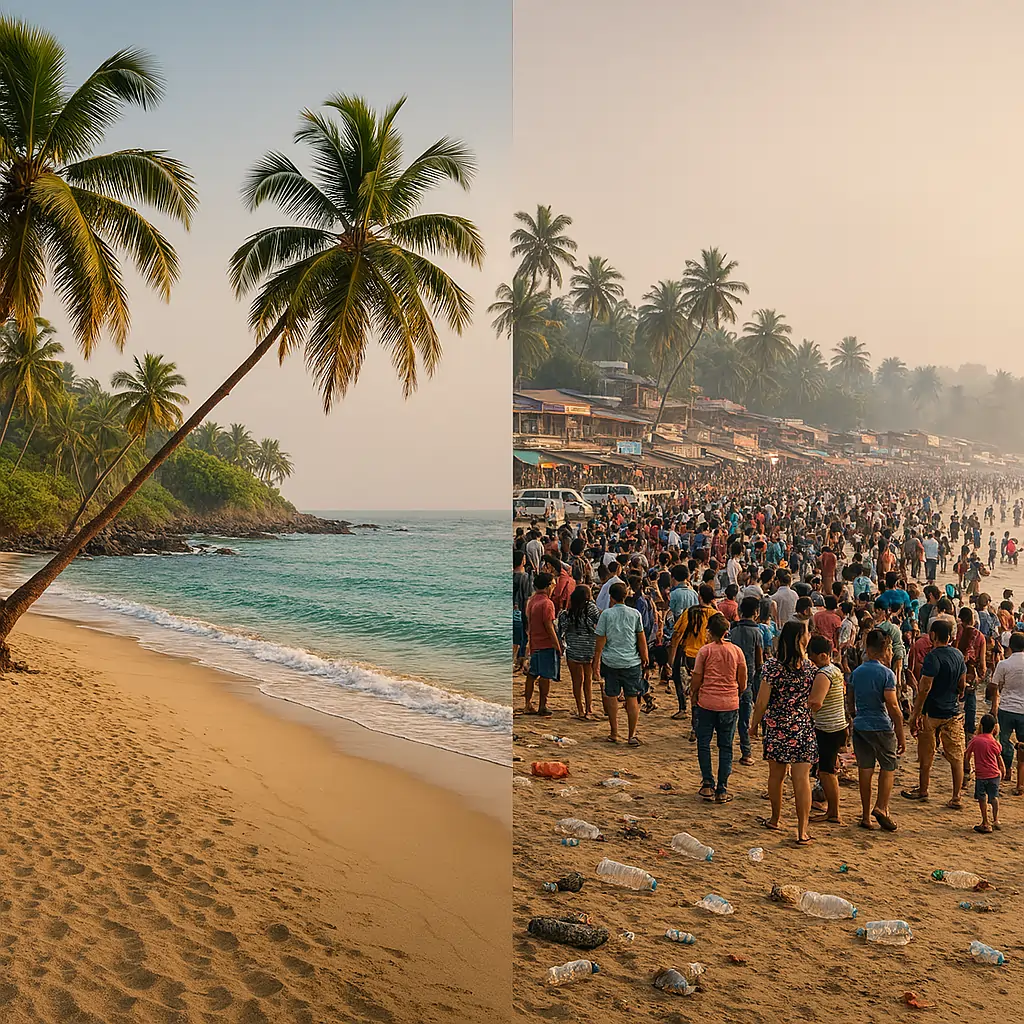
Goa, India’s coastal paradise, has long been synonymous with sun-kissed beaches, vibrant nightlife, and a laid-back charm that draws millions of tourists each year. Once hailed as a jewel of Indian tourism, the rise of overtourism in Goa has turned allure into a double-edged sword. The unchecked growth of tourism has left deep scars on the environment, culture, and the lives of locals. As the state grapples with the consequences of mass tourism in Goa, the question looms large: Have we killed the golden goose that was Goa’s tourism industry?
The Rise of Goa as a Tourist Haven
Goa’s journey as a global tourist destination began decades ago, when hippies from around the world discovered its pristine beaches and serene vibe in the 1960s. Over time, the state transformed into a hotspot for domestic and international travelers, offering everything from luxury resorts to budget shacks. Tourism became a cornerstone of Goa’s economy, creating jobs and boosting local businesses. However, the lack of a sustainable blueprint for this growth has led to a crisis that threatens to unravel the very fabric of what makes Goa special.
The Cost of Uncontrolled Tourism
The influx of millions of visitors annually has pushed Goa’s delicate ecosystem and cultural heritage to the brink. Below are the key challenges that have turned this paradise into a cautionary tale:
- Environmental Degradation
Goa’s beaches, once pristine and serene, are now often littered with plastic waste, glass bottles, and other debris left behind by tourists, highlighting beach pollution in Goa. The sheer volume of visitors has overwhelmed the waste management system, leading to environmental impact of tourism including pollution of beaches, rivers, and lakes. Deforestation to make way for resorts, reclamation of floodplains, and destruction of watersheds have further exacerbated the crisis. The once-lush mangroves and biodiversity-rich hinterlands are disappearing, replaced by concrete jungles that prioritize profit over preservation. - Overburdened Waste Disposal Systems
Goa’s waste disposal infrastructure is woefully inadequate for the tourist footfall it receives. Landfills are overflowing, and improper disposal of waste pollutes water bodies and ecologically sensitive areas. The lack of robust recycling programs or enforcement of anti-littering laws has compounded Goa tourism problems, leaving locals to bear the brunt of a degraded environment. - Threat to Local Culture
Goa’s unique blend of Indian and Portuguese heritage, characterized by its vibrant festivals, traditional cuisine, and close-knit communities, is under siege. Locals increasingly feel alienated in their own homeland due to Goa tourism effects on local culture. Tourist behavior—often disrespectful of local customs—erodes cultural values, representing a serious threat to local culture. Reports of violence, child sex abuse, prostitution, and drug trafficking have risen, tarnishing Goa’s reputation. The commodification of culture for tourist consumption has left many Goans feeling like outsiders in their own state. - Economic Exploitation
While tourism has brought wealth to some, the benefits are unevenly distributed. Many locals feel exploited, as they are often relegated to low-paying jobs while outsiders reap profits from hotels, restaurants, and other ventures. The skyrocketing cost of living, driven by tourism, has made it difficult for Goans to afford basic necessities, forcing some to sell their ancestral lands to developers. This highlights the Impact of overtourism on Goa and its locals. - Land Loss and Displacement
The real estate boom fueled by tourism has led to rampant land acquisition, often at the expense of local communities. Goa tourism and local displacement have become critical issues. Goans are pressured to sell their land to make way for resorts, villas, and commercial projects, disrupting traditional livelihoods like fishing and agriculture while eroding cultural identity. - Ecological Disconnect
The influx of non-local investors and settlers, who often lack a connection to Goa’s land and heritage, has further strained resources. Tourism’s insatiable demand for water, electricity, and other resources has depleted natural reserves, leaving locals to face shortages. The tourism carrying capacity in Goa has been exceeded, creating unsustainable pressures that threaten the attractions that draw visitors in the first place.
A Missed Opportunity for Learning
Failures and mistakes are often seen as opportunities for growth, but Goa’s tourism industry seems to have missed this lesson. The initial tourism blueprint failed to account for the state’s cultural heritage, natural beauty, and the well-being of its residents. Decades later, the absence of solutions for sustainable tourism in Goa continues to haunt the state, fueling Goa heritage tourism threats and exacerbating effects of mass tourism in Goa.
The Path Forward: Rejuvenating Goa’s Tourism
Goa’s tourism industry is at a crossroads. To revive the golden goose and ensure a sustainable future, stakeholders—government, locals, and tourists—must work together. Here are some actionable steps:
- Sustainable Tourism Policies: The government must prioritize eco-friendly tourism practices, limit visitor numbers in sensitive areas, enforce strict waste management system protocols, and promote low-impact accommodations.
- Community Empowerment: Locals should be central to tourism development, ensuring that the industry benefits residents while preserving Goa culture and heritage.
- Environmental Restoration: Investments in beach clean-ups and reforestation projects are critical. Protecting mangroves and watersheds should be non-negotiable to mitigate the environmental impact of tourism.
- Cultural Sensitivity Campaigns: Educating tourists about respecting local customs can reduce the Threat to local culture and improve coexistence.
- Crackdown on Illegal Activities & Land Regulation: Enforcing laws and regulating real estate development will prevent further Goa tourism and local displacement.
Conclusion: A Call to Action
Goa’s tourism industry, once a beacon of economic promise, now stands as a stark reminder of the consequences of mass tourism in Goa. Environmental degradation, cultural erosion, and economic exploitation faced by locals are global warnings. If action is not taken, overtourism in Goa may permanently damage its allure.
Policymakers, locals, and tourists must collaborate to ensure solutions for sustainable tourism in Goa, preserve the environment, protect cultural heritage, and manage the tourism carrying capacity in Goa effectively. Only then can Goa reclaim its status as a paradise for visitors and the people who call it home.
Will Goa rise from the ashes of its tourism crisis, or remain a cautionary tale? The choice is ours.