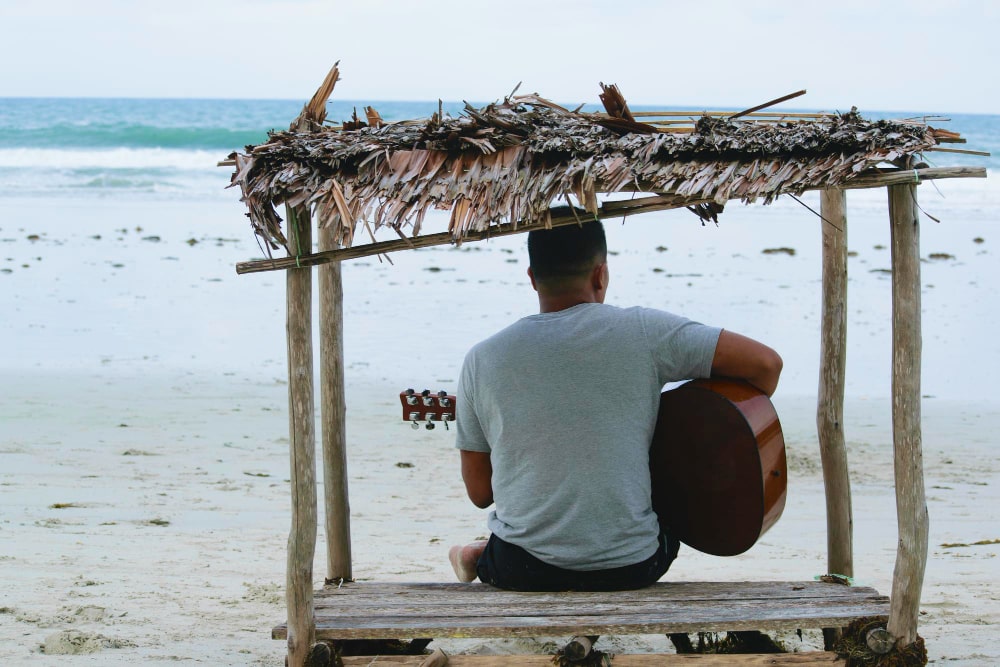

As I sit down to reflect on the land of my ancestors, I’m struck by how Goa’s true essence often gets lost amid the clamour of its more famous attractions. The land of my ancestors in Goa pulses with a hidden mysticism, woven from its ancient caves, sacred churches, and timeless temples. Yet, this rich heritage is overshadowed by Goa’s dazzling beaches and its modern reputation as a hub for wild parties, drugs, and alcohol. Those entrusted with preserving Goa’s ecological and cultural legacy—elected on promises of sustainable tourism—have faltered. Instead of safeguarding its cultural and social fabric, they enable mass tourism and the relentless destruction of its lush landscapes.
This disconnect between Goa’s authentic spirit and its commercialized facade hits close to home for me, especially when I think of Saligao—the village in North Goa that my father called his own. Saligao isn’t just a dot on the map; it’s a personal anchor, a place where family stories intertwine with history and nature. In this blog post, I want to share a heartfelt description of Saligao, drawing from its vibrant culture, challenges, and enduring charm. It’s my way of honoring the land that shaped my father and, by extension, my own identity.
The Tranquil Charm of Saligao: A Village Frozen in Time
Nestled in the heart of North Goa, Saligao is a vibrant yet tranquil village that feels like a living tapestry of history, culture, and natural beauty—a place my father called home. Just 10 km from Panjim and a mere 3 km from the lively Calangute beach, Saligao sits in Bardez Taluka, surrounded by villages like Porvorim, Parra, and Candolim. It’s a place where time seems to slow down, where narrow lanes lined with coconut palms and Indo-Portuguese homes tell stories of a bygone era, and where the scent of blooming flowers mingles with the salty breeze from the nearby Arabian Sea. This is the land of my father, a village that holds the soul of Goa’s heritage and the warmth of its people.
Walking through Saligao, you’re immediately enveloped by its serene atmosphere. The village’s narrow, winding roads lead you past colorful houses with tiled roofs and ornate balconies, remnants of the Portuguese influence that has defined Goa for centuries. It’s a stark contrast to the chaotic energy of nearby tourist spots—here, life moves at a gentler pace, guided by the rhythms of nature and community.
Spiritual and Historical Landmarks: Anchors of Saligao’s Identity
At the heart of Saligao stands the Mae De Deus Church, a neo-Gothic masterpiece built in 1873. With its pointed arches and serene aura, it serves as a testament to the village’s Portuguese colonial past. This church isn’t just an architectural gem; it’s the spiritual centre of the community, where festivals and daily prayers bring people together. Nearby, quaint chapels like St. Ann and St. Cajetan add to the sacred landscape, while the legendary Rakhandar’s Stone whispers tales of guardian spirits protecting this sacred land.
These elements remind me of stories my father shared about growing up here, surrounded by verdant greenery and the simple joys of rural life.
A Community Rooted in Tradition and Resilience
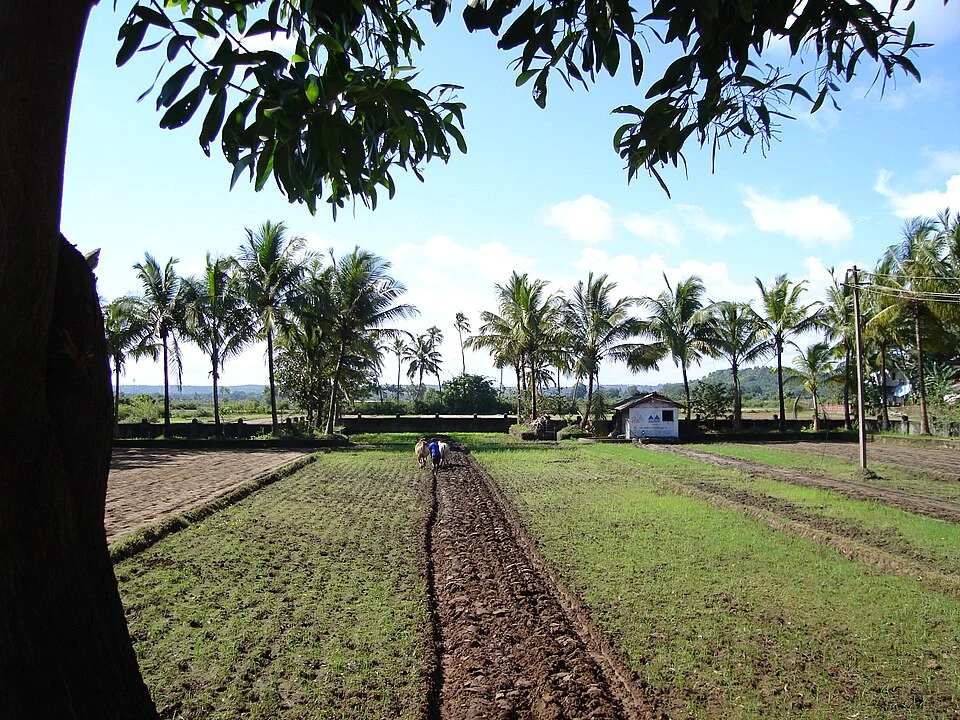
Saligao is more than just a picturesque village; it’s a community bound by history and tradition. The Saligao Institute, founded in 1929, remains a cultural cornerstone, fostering bonds among Saligaonkars through its library, sports facilities, and vibrant markets. The Comunidade system—a unique tradition of collective land ownership—still thrives here, with over 650 gaunkars tending to fields of paddy, sugarcane, and local vegetables. This preserves the agricultural heartbeat of the village, using time-honoured methods like draught cattle and fish manure compost, as passed down through generations.
My father’s connection to this land runs deep, tied to its fertile soil where crops were once sown with care. He often spoke of the communal spirit that defines Saligao, where neighbours help one another and traditions are kept alive despite the pull of modernity.
Yet, like much of Goa, Saligao faces its share of challenges. The village grapples with groundwater depletion from commercial extraction, garbage dumping concerns, and the impact of migration that has made native Goans a minority in their homeland. These issues echo the broader problems I mentioned earlier—the faltering promises of sustainable tourism and the encroachment of mass development. Despite these pressures, Saligao’s spirit endures, reflected in its artistic legacy. From the works of native son Francis Newton Souza, whose paintings captured its landscapes, to the stories of migration and resilience that define its people, the village remains a beacon of authenticity.
Many, like my father, may have ventured far—perhaps to Karachi, London, or beyond—but the pull of Saligao’s dusty lanes, sacred anthills, and communal bonds remains strong. It’s a reminder that roots run deep, no matter how far we wander.
A Personal Reflection: Why Saligao Matters
To me, Saligao is the land of my father’s roots, a place where history and modernity coexist, where every house has a story, and where the community’s heart beats in its markets, churches, and fields. It’s a hidden gem that offers a glimpse into the authentic, soulful side of Goa, forever etched in my family’s legacy.
In a world where Goa’s beaches and parties dominate the narrative, places like Saligao deserve more attention. They represent the true mysticism of the land—the ancient caves, sacred sites, and cultural depth that mass tourism threatens to erase. If you’re planning a trip to Goa, I urge you to venture beyond the crowds and discover villages like this one. Who knows? You might find a piece of your own history waiting there.