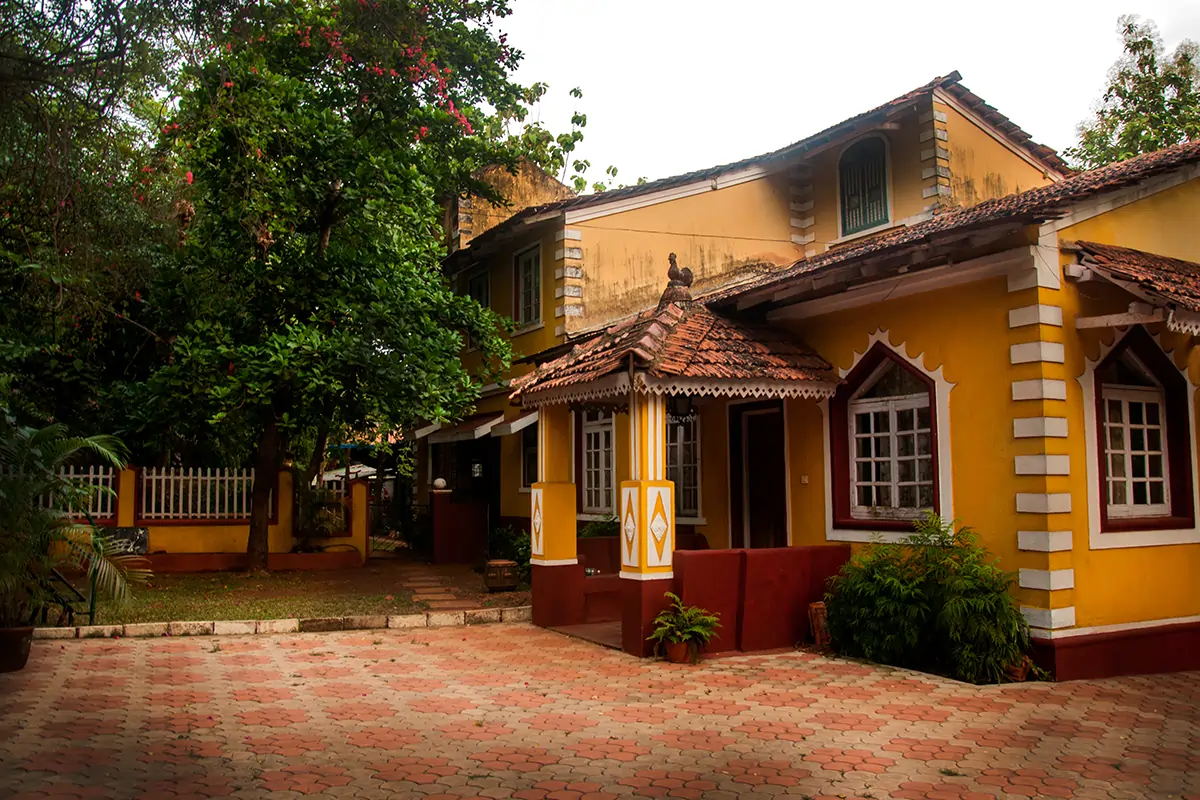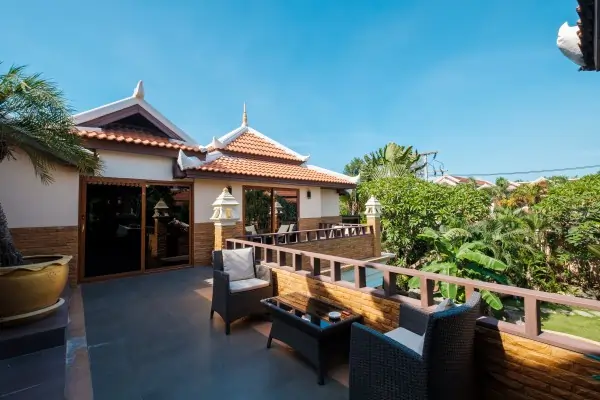


The value of properties in Goa is heavily influenced by location, demand, and market trends. While premium structures—such as modern villas or well-maintained Goan/Portuguese-style homes—can initially boost a property’s worth, their value often depreciates over time due to wear and tear, changing architectural preferences, and maintenance costs. This depreciation of structures is a key aspect of the property value dynamics in Goa. At the end of a structure’s lifecycle, buyers typically focus on the land market value in Goa, except in cases where the property holds historical or cultural significance.
Location is King
Goa’s real estate market is highly location-driven. Properties in prime areas like Candolim, Calangute, Anjuna, or Morjim command premium prices due to their proximity to beaches, tourist hotspots, and infrastructure. For example:
- Beachfront properties in North Goa can fetch ₹10,000–₹15,000 per square foot for land market value in Goa alone.
- Inland properties in quieter areas like Siolim or Assagao are more affordable, ranging from ₹5,000–₹10,000 per square foot, but are gaining popularity due to the rise of remote work and demand for serene retreats.
The Depreciation of Structures
Unlike land, which tends to appreciate, structures in Goa often lose value over time unless they are meticulously maintained or carry unique cultural appeal. For instance, a modern villa built in 2000 may no longer appeal to buyers in 2025 if it lacks contemporary amenities or requires significant renovations. In such cases, buyers may offer prices based solely on the land vs structure value in Goa, treating the structure as a teardown.
However, heritage properties in Goa—such as centuries-old Goan Portuguese style homes—buck this trend. These homes, characterized by their tiled roofs, vibrant facades, and spacious courtyards, are highly sought after, especially in prime locations like Panjim, Margao, or Fontainhas. Their value lies not just in the land but in their potential for restoration and repurposing.
The Rise of Hospitality Ventures: Unlocking the Potential of Goan Properties
One of the most exciting opportunities for OCI cardholders and their heirs lies in transforming inherited properties into hospitality ventures in Goa. Goa’s tourism industry is booming, with 8.5 million domestic and international tourists visiting in 2024, according to the Goa Tourism Department. This surge has fuelled demand for unique, high-end accommodations, moving away from basic bed-and-breakfast setups to tailored, experiential homestays.
Why Goan/Portuguese-Style Homes Are Ideal
Dilapidated yet structurally sound Goan Portuguese style homes are particularly attractive for hospitality ventures in Goa. Their architectural charm, combined with prime locations, makes them ideal candidates for conversion into boutique homestays in Goa, wellness retreats, or eco-friendly resorts. For example:
- A restored Portuguese villa in Anjuna could be transformed into a luxury homestay in Goa offering yoga retreats, attracting high-paying guests seeking authentic experiences.
- A property in Fontainhas, Goa’s heritage quarter, could be renovated into a cultural guesthouse, capitalizing on its historical significance and proximity to Panjim’s art galleries and cafes.
Market Trends in Homestays
As discussed in my earlier blogs, the homestay market trends in Goa are evolving rapidly. Travelers are increasingly seeking personalized, Instagram-worthy stays that blend modern amenities with local culture. Key trends include:
- Sustainability: Eco-conscious travellers prefer properties with solar power, rainwater harvesting, and locally sourced materials.
- Experiential Offerings: Homestays that offer cooking classes, heritage walks, or art workshops are in high demand.
- Luxury and Privacy: High-net-worth individuals are willing to pay a premium for private villas with pools, chef services, and curated experiences.
Case Study: The Success of Casa de Amor
Consider the example of Casa de Amor, a restored Portuguese villa in Vagator. Originally purchased as a vacation home by an OCI cardholder in 2005, the property was inherited by their children in 2020. Facing probate delays in their home country (Canada), the heirs decided to retain the property and convert it into a boutique homestay in Goa. With an investment of ₹50 lakh for renovations, they transformed the villa into a five-bedroom retreat, complete with a pool, organic garden, and weekly Goan cooking classes. Today, Casa de Amor generates ₹1.5 lakh per month during peak season, far surpassing the property’s original value as a residential asset.
Strategic Considerations for OCI Cardholders
For OCI cardholders and their families, managing or selling a Goa property requires a strategic approach that balances legal preparedness, market awareness, and creative vision. Here are some actionable strategies:
- Assess the Property’s Potential: Before selling, evaluate whether the property could be repurposed for hospitality or commercial use. Engage a local architect or real estate consultant to assess its structural and market potential.
- Leverage Tax Benefits: OCI cardholders may be eligible for tax exemptions or deductions in India and their home country. Consult a cross-border tax expert to optimize your financial strategy.
- Partner with Local Operators: If managing a homestay feels overwhelming, consider partnering with a Goa-based hospitality firm to handle operations while retaining ownership.
- Stay Informed on Market Trends: Goa’s real estate and tourism markets are dynamic. Follow local news, tourism data, and real estate reports to make informed decisions.
Conclusion: Turning Challenges into Opportunities
By planning ahead, understanding market trends, and exploring the potential of hospitality ventures in Goa, OCI cardholders and their heirs can transform their Goa properties into lasting legacies—whether as cherished family retreats or thriving businesses in one of India’s most vibrant destinations.
Have you inherited a property in Goa or are you considering investing in one? Share your thoughts or questions in the comments below, and stay tuned for more insights on property value dynamics in Goa and the evolving homestay market trends in Goa!